

 rohit
rohit
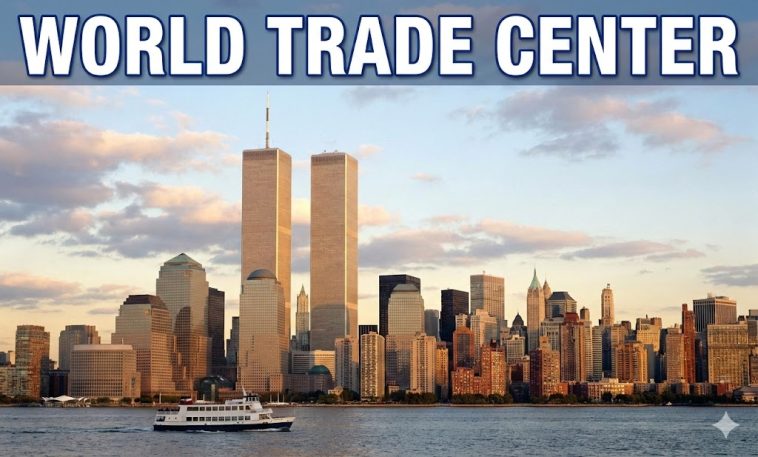
The World Trade Center (WTC) in New York City stands as one of the most recognizable and celebrated landmarks worldwide. Known for its towering skyscrapers, rich history, and architectural innovation, the WTC represents human ambition, resilience, and progress. From its original construction in the 1970s to the tragic events of September 11, 2001, and the remarkable rebuilding that followed, the WTC tells a story of determination and hope.
It is not only a center for global business but also a place for education, remembrance, and cultural engagement, drawing millions of visitors each year who come to learn, reflect, and witness its inspiring legacy.
History of the World Trade Center
The idea for the World Trade Center emerged in the 1960s when Lower Manhattan was facing economic decline. City planners wanted to revitalize the area and create a central hub for international business. The vision included a cluster of office buildings that would host multinational corporations, financial institutions, and trade organizations, positioning New York City as a global economic center.
Construction of the original WTC began in 1966 and concluded in 1973. The Twin Towers, each standing 110 stories tall, became the centerpiece of the complex. Architect Minoru Yamasaki designed them in a modernist style emphasizing simplicity, verticality, and functionality. Engineers overcame challenges related to wind pressure, structural loads, and large open office spaces to deliver what would become an architectural marvel.
The WTC witnessed several major events in its history:
- 1993 bombing: A truck bomb detonated in the North Tower basement, killing six people and injuring over a thousand. This attack exposed vulnerabilities in urban security.
- September 11, 2001 attacks: Terrorists destroyed both towers, resulting in nearly 3,000 deaths. The attacks had a global impact, reshaping urban safety protocols and international security policies.
Rebuilding the site became a symbol of hope and resilience. The One World Trade Center, along with other structures and memorials, was constructed to honor the victims while creating a modern, functional, and resilient complex. The rebuilding process combined engineering excellence, architectural creativity, and deep emotional significance, emphasizing both remembrance and progress.
The entire reconstruction project included not just office towers but also public spaces, cultural institutions, and transportation facilities, making it a hub for both work and community activities.
Architecture of the World Trade Center
The Twin Towers were revolutionary for their time. They utilized tube-frame construction, allowing vast open interior spaces without excessive support columns. This method enabled flexible office layouts and maximized usable space, which was highly desirable for large corporations.
The towers’ simple yet imposing design, featuring vertical lines and uniform windows, created a strong and recognizable silhouette. Observation decks offered visitors breathtaking views of New York City, becoming iconic tourist destinations.
One World Trade Center, completed in 2014, rises to 1,776 feet, a symbolic reference to the year of American independence. The building combines safety, modern aesthetics, and sustainability. Notable features include:
- Blast-resistant glass and advanced fireproofing
- Multiple emergency stairwells
- Energy-efficient systems and sustainable construction materials
- Tapered architectural design for structural integrity and visual elegance
The WTC complex also features office towers, a performing arts center, a major transit hub, and various retail spaces. These buildings integrate sustainable technologies, public spaces, and energy-efficient systems, creating a space that blends business, culture, and civic life seamlessly.
The architectural design also considered human experience, ensuring accessibility, safety, and visual appeal. Open plazas, gardens, and pedestrian pathways make the area inviting for visitors and workers alike.
The September 11 Memorial and Museum
The September 11 Memorial and Museum stands on the original Twin Towers’ footprint. The memorial features two large reflecting pools with the names of all victims from the 2001 attacks and the 1993 bombing engraved around the edges. White oak trees surround the site, symbolizing life, renewal, and hope. The memorial provides a calm and contemplative space where visitors can remember and pay tribute to those who lost their lives.
The museum tells the story of 9/11 using artifacts, photographs, and personal accounts. Key exhibits include:
- Detailed timelines of the attacks
- Heroic actions of first responders
- Stories of families, survivors, and victims
- Interactive exhibits and multimedia presentations
Guided tours and educational programs help visitors understand the events and the human impact of the attacks. The museum balances historical education with emotional storytelling, ensuring that the lessons and memories of 9/11 continue to resonate with future generations.
Global Significance
The World Trade Center is more than a collection of buildings; it symbolizes economic strength, cultural importance, and resilience. As a global business hub, it attracts multinational corporations and facilitates international trade. Its strategic location in Lower Manhattan ensures connectivity to airports, subway lines, and ferry services, reinforcing its role in global commerce.
Culturally, the WTC has inspired books, films, artworks, and public discourse worldwide. Its story of rebuilding after tragedy demonstrates the values of perseverance, unity, and hope. The site serves as a symbol that, even in the face of devastating loss, human determination can lead to recovery and progress.
The WTC also underscores New York City’s role as a world leader in finance, trade, innovation, and culture. It brings together professionals, tourists, and students, creating a diverse and dynamic urban environment.
Innovations and Engineering Achievements
The WTC introduced several engineering and design innovations:
- Wind-resistant structures: The Twin Towers were built to withstand hurricane-force winds.
- Flexible interiors: Tube-frame construction allowed open floor plans, providing practical workspaces.
- Safety enhancements: Fireproofing, multiple emergency stairwells, and reinforced structures are part of the rebuilt complex.
- Sustainability: Energy-efficient lighting, water recycling systems, and eco-friendly materials reduce environmental impact.
Modern skyscraper design around the world has been influenced by the WTC’s engineering achievements. The complex exemplifies how safety, functionality, and aesthetics can coexist in high-rise construction.
Tourism and Public Engagement
The WTC attracts millions of visitors every year. The One World Observatory offers panoramic city views, while the memorial and museum provide immersive educational experiences. Schools and universities regularly organize trips to the museum, helping students learn about history, architecture, and global events.
Visitors can also engage in:
- Public art exhibitions
- Cultural performances
- Interactive workshops
- Community events
These activities make the WTC a vibrant space that blends business, tourism, culture, and education.
Key Facts About the World Trade Center
| Sr. No. | Fact | Description |
|---|---|---|
| 1 | Original Twin Towers Height | 110 stories each, 1,368 and 1,362 feet |
| 2 | Construction Period | 1966–1973 |
| 3 | Architect | Minoru Yamasaki |
| 4 | September 11 Attacks | 2001, nearly 3,000 lives lost |
| 5 | One World Trade Center Height | 1,776 feet |
| 6 | Rebuilt Complex | 7 buildings including offices, museum, and transit hub |
| 7 | Memorial Pools | Two reflecting pools at the original Twin Towers site |
| 8 | Museum Exhibits | Artifacts, photos, and personal stories of 9/11 |
| 9 | Cultural Impact | Featured in movies, books, and media worldwide |
| 10 | Symbolism | Resilience, innovation, and international business hub |
Frequently Asked Questions – (FAQ)
Q1: What is special about the new One World Trade Center?
It is taller, safer, and modern while maintaining its iconic look.
Q2: Can visitors see the memorial and museum?
Yes, the memorial is open for reflection, and the museum offers tours and exhibits.
Q3: How long did it take to rebuild the WTC?
One World Trade Center was completed in 2014, with other buildings and memorials finished over the following years.
Q4: Are there other attractions at the WTC?
Yes, it includes offices, a transit hub, retail shops, and a performing arts center.
Q5: Why is One World Trade Center 1,776 feet tall?
The height represents the year 1776, when the United States declared independence.
Q6: How is the WTC a global business hub?
It attracts international companies and connects seamlessly to major transport networks.
Q7: How does the WTC honor 9/11 victims?
Through memorial pools, engraved names, museum exhibits, and educational programs.
Q8: Can the public access the observation deck?
Yes, the One World Observatory allows visitors to view the city from 102 floors up, offering an unforgettable experience.
Q9: What makes the WTC an architectural icon?
Its innovative tube-frame design, iconic skyline, and modern sustainable features set it apart worldwide.
You Might Also Like This:
- Himeji Castle: History, Architecture, and Cultural Significance
- Taj Mahal: History, Architecture, Symbolism, Tourism and Cultural Legacy
Conclusion:
The World Trade Center is more than just a collection of skyscrapers. It embodies human determination, innovative design, and the spirit of resilience. From the original Twin Towers to One World Trade Center and the 9/11 Memorial and Museum, it tells a story of vision, tragedy, and recovery.
Today, the WTC serves as a hub for global business, a center for cultural reflection, and a memorial for those who lost their lives. It continues to inspire millions, demonstrating that even after profound tragedy, people can rebuild stronger, smarter, and more meaningfully.
