

 rohit
rohit
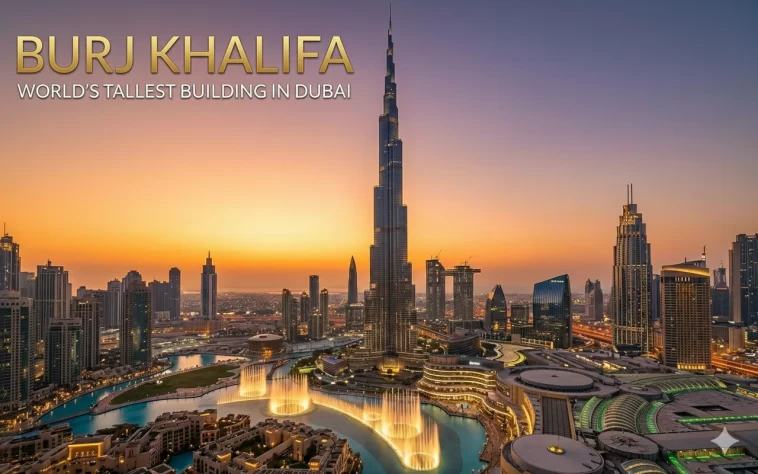
The Burj Khalifa is one of the most recognized structures on the planet and a true symbol of modern engineering and architectural innovation. Located in Downtown Dubai, this tower attracts millions of visitors every year who want to admire its height, design, technology, and the luxurious lifestyle that surrounds it. More than a skyscraper, it stands as a global landmark that represents the vision of the United Arab Emirates. It also reflects what is possible when creativity, engineering excellence, and large-scale development come together.
This detailed guide explores everything about the Burj Khalifa. It covers its height, construction, design, facts, observation decks, interior features, lighting system, architectural style, engineering, cost, records, surrounding attractions, and the cultural impact it has created worldwide. This article is written specifically for readers searching for in-depth information about the Burj Khalifa and for search engines looking for high-quality content around this topic.
The goal is to help you understand why the Burj Khalifa is considered an engineering wonder and a must-visit destination in Dubai.
What is the Burj Khalifa?
The Burj Khalifa is the tallest building in the world, rising to a height of 828 meters. It holds several world records for height, construction design, observation decks, and elevator systems. Developed by Emaar Properties and opened in January 2010, the tower has become the centerpiece of Downtown Dubai. It is surrounded by major attractions such as Dubai Mall, Dubai Fountain, and numerous hotels, restaurants, residential towers, and offices.
Before its official opening, the tower was known as Burj Dubai. It was renamed Burj Khalifa in honor of the late Sheikh Khalifa bin Zayed Al Nahyan. The building contains luxury residences, corporate offices, the Armani Hotel Dubai, restaurants, lounges, and multiple observation decks.
Height and World Records of the Burj Khalifa
When discussing the Burj Khalifa, height is always the first element that comes to mind. The tower reaches an incredible height of 828 meters or 2717 feet, making it the tallest building in the world. It also holds a long list of additional global records, including:
- Tallest free-standing structure in the world
- Highest number of floors in a building
- Highest outdoor observation deck
- Tallest service elevator
- Highest restaurant in the world
- Longest elevator travel distance
- Tallest man-made structure ever built
These records make the Burj Khalifa one of the most searched and studied structures in modern engineering. For SEO purposes, terms such as Burj Khalifa height, world’s tallest building, tallest skyscraper in the world, and tallest tower in Dubai are important keywords that reflect user intent.
Burj Khalifa Quick Key Facts Table:
| Feature | Details |
|---|---|
| Location | Downtown Dubai, United Arab Emirates |
| Height | 828 meters (2,717 feet) |
| Number of Floors | 163 above ground + 2 below ground |
| Opening Date | 4 January 2010 |
| Architect | Adrian Smith (Skidmore, Owings & Merrill) |
| Developer | Emaar Properties |
| Construction Cost | Approximately 1.5 billion USD |
| Observation Decks | Levels 124, 125, 148; Lounge Levels 152–154 |
| Residential Units | Over 900 apartments |
| Hotel | Armani Hotel Dubai |
| Materials Used | Reinforced concrete, steel, aluminum, high-performance glass |
| World Records | Tallest building, highest observation deck, tallest free-standing structure, fastest elevator travel, tallest restaurant |
| Lighting System | Advanced LED displays with custom light shows |
| Elevators | 57 elevators, including high-speed express lifts |
| Nearby Attractions | Dubai Mall, Dubai Fountain, Souk Al Bahar, Dubai Opera |
Architectural Design and Inspiration
The design of the Burj Khalifa was created by Adrian Smith while working with Skidmore, Owings and Merrill. The architectural style of the building is inspired by the Hymenocallis flower, also known as the Spider Lily. The structure features a triple-lobed footprint that gradually narrows as it rises. This design helps reduce wind force, which is one of the biggest challenges in constructing a super-tall skyscraper.
Key architectural design features include:
- A unique Y-shaped base that creates stability
- A spiraling structure that reduces wind resistance
- High-performance glass that protects from Dubai’s intense heat
- A central core that supports the majority of the height
The combination of beauty, science, engineering accuracy, and environmental adaptation makes the Burj Khalifa a masterpiece in architectural design.
Engineering and Construction of the Burj Khalifa
Building the world’s tallest structure required extraordinary engineering techniques. The foundation of the tower is supported by reinforced concrete piles. The core structure uses a high-strength concrete mix specially developed to survive extreme temperatures.
Construction Facts:
- Over 330,000 cubic meters of concrete went into building the structure.
- The tower has approximately 55,000 tons of steel rebar
- Construction took nearly 6 years
- Over 12,000 workers and engineers participated
One of the most interesting engineering challenges was the impact of wind. At such heights, even minor wind changes can affect stability. Engineers solved this by using a stepped design that changes shape at different levels, which helps reduce wind vortices.
The use of advanced elevators allows visitors to travel from the ground to observation decks at speeds that reach up to 10 meters per second. This makes the Burj Khalifa one of the fastest vertical transportation systems in the world.
Exterior and Lighting System
The exterior cladding of the Burj Khalifa is made of reflective glazing aluminum and textured stainless steel. This gives the building a shiny surface that looks different throughout the day. The lighting design is another highlight. The tower is equipped with thousands of LED lights that illuminate it every night. During festivals, national celebrations, or special global events, the Burj Khalifa displays custom light shows and animations that attract worldwide attention.
The lighting system is a key part of Dubai’s tourism promotion strategy. It helps create a global identity for the skyscraper. This is why terms such as Burj Khalifa light show, Burj Khalifa LED display, and Burj Khalifa night view trend highly in search engines.
Observation Decks of the Burj Khalifa
One of the most popular attractions inside the Burj Khalifa is the series of observation decks. These decks allow visitors to enjoy panoramic views of Dubai, the desert, the Persian Gulf, and the city’s skyline.
There are three main observation decks:
At The Top: Levels 124 and 125
This is the most visited area. It includes indoor and outdoor viewing spaces along with telescopes and digital screens. It is ideal for first-time visitors.
At The Top Sky: Level 148
This deck offers a more exclusive experience with luxury seating, a premium lounge, and priority access. It is located at a height of 555 meters, making it one of the highest observation decks in the world.
The Lounge: Levels 152 to 154
These floors offer a premium lounge experience with high tea, live music, light snacks, and majestic views. The height makes it one of the highest lounges globally.
Observation decks attract huge traffic to Dubai and are important for SEO searches such as Burj Khalifa ticket price, Burj Khalifa observation deck, Burj Khalifa At The Top, and Burj Khalifa Sky Lounge.
Inside the Burj Khalifa: Interior Features
The interior of the Burj Khalifa reflects luxury, elegance, and modern design. It contains a mix of residences, corporate offices, hospitality spaces, lounges, and dining venues.
1. Residential Levels
The tower features over 900 residences that include studios, one-bedroom, two-bedroom, three-bedroom, and four-bedroom apartments. These apartments offer floor-to-ceiling windows with breathtaking views of Dubai. Residents also get access to private gyms, pools, and wellness areas.
2. Armani Hotel Dubai
The Armani Hotel occupies several lower floors. It was designed by Giorgio Armani and features modern interiors, custom furniture, and premium hospitality. It includes fine dining restaurants, a luxury spa, suites, and personalized services.
3. Corporate Offices
Higher levels include corporate suites, meeting rooms, and business facilities. These levels are preferred by international businesses that want a prestigious address in Dubai.
The combination of luxury, comfort, and breathtaking views makes the interiors of the Burj Khalifa one of the finest examples of modern building design.
Cost of Construction
The estimated construction cost of the Burj Khalifa was around 1.5 billion USD. This includes engineering, materials, labor, technology, design, and infrastructure. When combined with the surrounding Downtown Dubai development, the total cost of the entire project is estimated to be above 20 billion USD.
Burj Khalifa and Dubai Tourism
The Burj Khalifa is one of the most important landmarks for Dubai tourism. Each year millions of tourists arrive to see this skyscraper and visit nearby attractions. It has become a symbol of the city similar to the Eiffel Tower in Paris or the Statue of Liberty in New York.
Nearby attractions include:
- Dubai Mall
- Dubai Fountain
- Souk Al Bahar
- Dubai Opera
- Sheikh Mohammed Bin Rashid Boulevard
The combination of shopping, entertainment, culture, and luxury makes Downtown Dubai a perfect tourism hub.
The Dubai Fountain Show
The Dubai Fountain is located right next to the Burj Khalifa. It features water jets that shoot up to 150 meters high and dance to music and lights. Many visitors combine the experience of visiting the Burj Khalifa with the fountain show. The Burj Khalifa creates the perfect backdrop that enhances the show’s beauty.
Modern Technology Used in the Burj Khalifa
The Burj Khalifa uses advanced building management systems that control lighting, elevators, water supply, cooling, and fire safety. The cooling system uses cold water that flows through the entire building. The exterior cleaning process uses automatic cleaning units that operate at different heights.
Some key technologies include:
- Advanced elevator control system
- Temperature control zones
- High pressure pumps
- Structural health monitoring sensors
- Energy saving glass panels
Dubai’s extreme climate makes these systems essential for comfort and safety.
Burj Khalifa Facts and Interesting Details
Here are some fascinating facts about the Burj Khalifa that many people do not know:
- The tip of the tower can sway slightly due to wind
- The building uses a special concrete mix that was poured at night to avoid heat
- The tower can be seen from over 90 kilometers away
- More than 1 million square feet of glass was used
- The Burj Khalifa’s elevators are among the fastest in the world
- The tower has its own art collection featuring works from Middle Eastern and international artists
These facts make the Burj Khalifa a topic of interest for engineers, architects, travelers, and students.
Economic Impact and Global Recognition
The Burj Khalifa played a major role in putting Dubai on the global map. It changed the city’s reputation from a developing trade hub to a world leader in tourism, luxury real estate, and modern living. The tower has been featured in international films, documentaries, advertisements, and travel guides.
It also helped boost the value of nearby properties, hotels, and commercial spaces. Businesses near the tower enjoy higher foot traffic, more visibility, and greater demand.
Frequently Asked Questions – (FAQs)
Q1. What is the height of the Burj Khalifa
The Burj Khalifa has a height of 828 meters which makes it the tallest building in the world.
Q2. When was the Burj Khalifa opened to the public
It was officially opened on 4 January 2010.
Q3. Who designed the Burj Khalifa
The tower was designed by architect Adrian Smith while working with Skidmore, Owings and Merrill.
Q4. How many floors does the Burj Khalifa have
The Burj Khalifa has 163 floors above ground along with additional levels below ground.
Q5. What is inside the Burj Khalifa
It contains luxury residences, corporate offices, the Armani Hotel, restaurants, lounges, and observation decks.
Q6. Why is the Burj Khalifa famous
It is famous for being the tallest building in the world and a symbol of modern engineering and luxury.
Q7. How much did it cost to build the Burj Khalifa
The estimated construction cost was around 1.5 billion USD.
Q8. Can visitors go to the top of the Burj Khalifa
Yes, visitors can access multiple observation decks located on various levels.
Q9. What is the Burj Khalifa made of
It is made of reinforced concrete, steel, aluminum, and high-performance glass.
Q10. Where is the Burj Khalifa located
It is located in Downtown Dubai, United Arab Emirates.
Conclusion:
The Burj Khalifa is more than a skyscraper. It is a global symbol of modern architecture, innovative engineering, and Dubai’s forward-looking vision. Visitors from all around the world come to witness its height, admire its design, and explore the attractions that surround it. Whether you are traveling to Dubai, studying architecture, researching famous landmarks, or simply curious about the world’s tallest building, the Burj Khalifa continues to inspire people of all ages.
