
 rohit
rohit
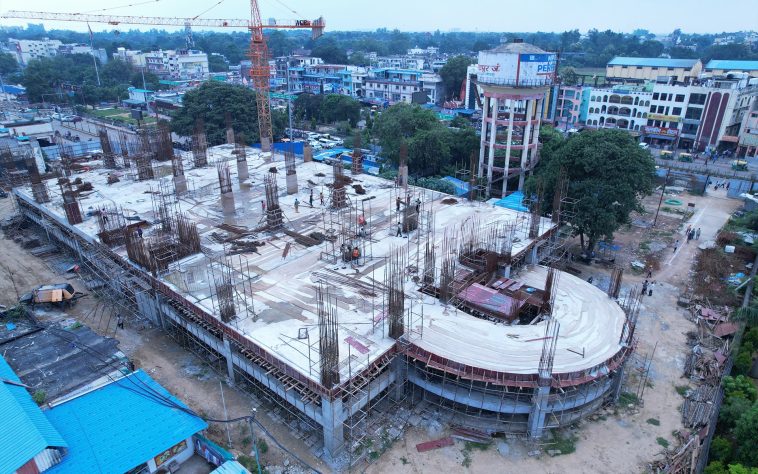
New Delhi, December, 2025, The Indian infrastructure and construction sector demonstrated remarkable resilience and expansion in 2025, with the total market size projected to reach ₹5.31 lakh crore (≈ USD ≈ 300 billion), marking a growth of 11.2% year-on-year from 2024.
Buoyed by aggressive government spending under flagship initiatives including the National Infrastructure Pipeline (NIP), infrastructure outlays across roads, rail, power, and urban transit remained robust. From July to November 2024 alone, Union government capital expenditure rose by 8.2%, led by transport, rail and power sectors, reflecting a 38.8% growth in capex over the past five years. Analysts expect that by 2029 the construction industry value will cross ₹39.10 lakh crore, with a forecasted CAGR of ~8.8% for 2025-2029.
The year also saw significant traction in large-scale infrastructure projects: transport infrastructure accounting for nearly 38% of the overall infrastructure segment in 2024, while renewable energy-rich corridors and urban infrastructure recorded material growth.
Moreover, the broad construction sector, spanning industrial, commercial, institutional facilities and civil works, remained one of India’s largest employment engines, reinforcing its strategic importance for economic growth and livelihood generation.
Within this rapidly expanding landscape, 2025 emerged as a turning point where speed, sustainability and integration of digital tools became the currency of success. For builders, designers and interior firms alike, the pressure to deliver quality on aggressive timelines, while aligning with environmental norms, has intensified.
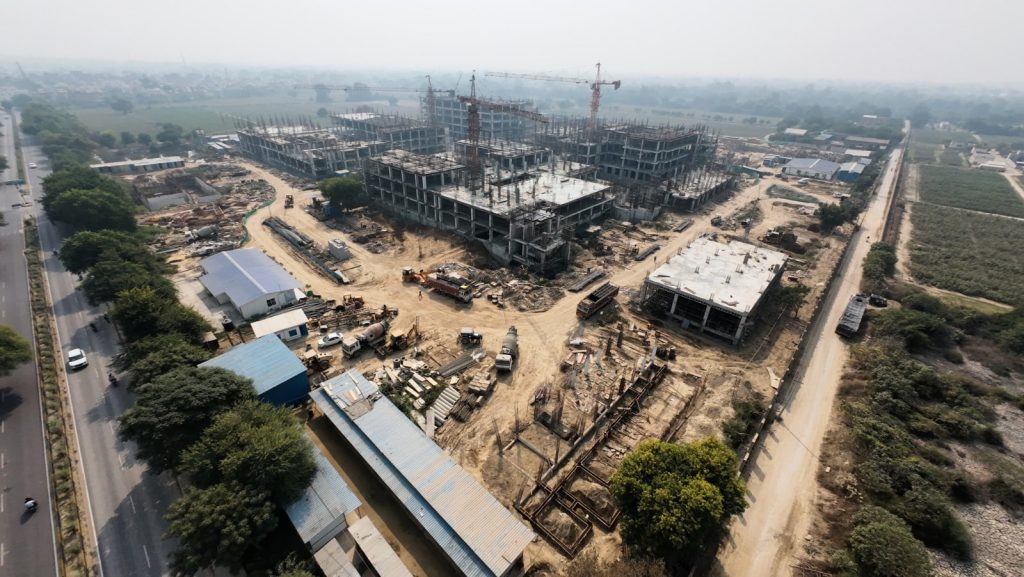
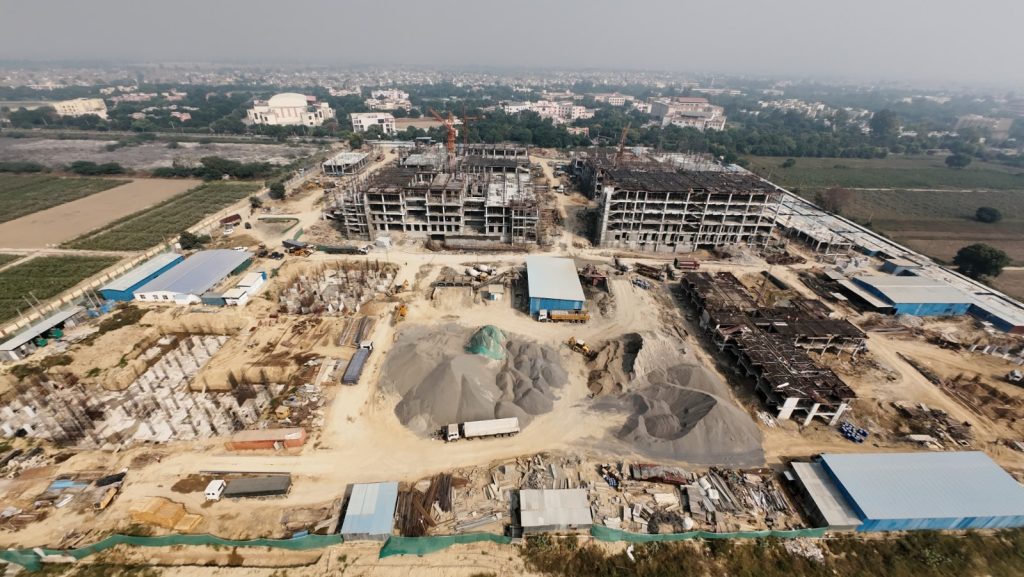
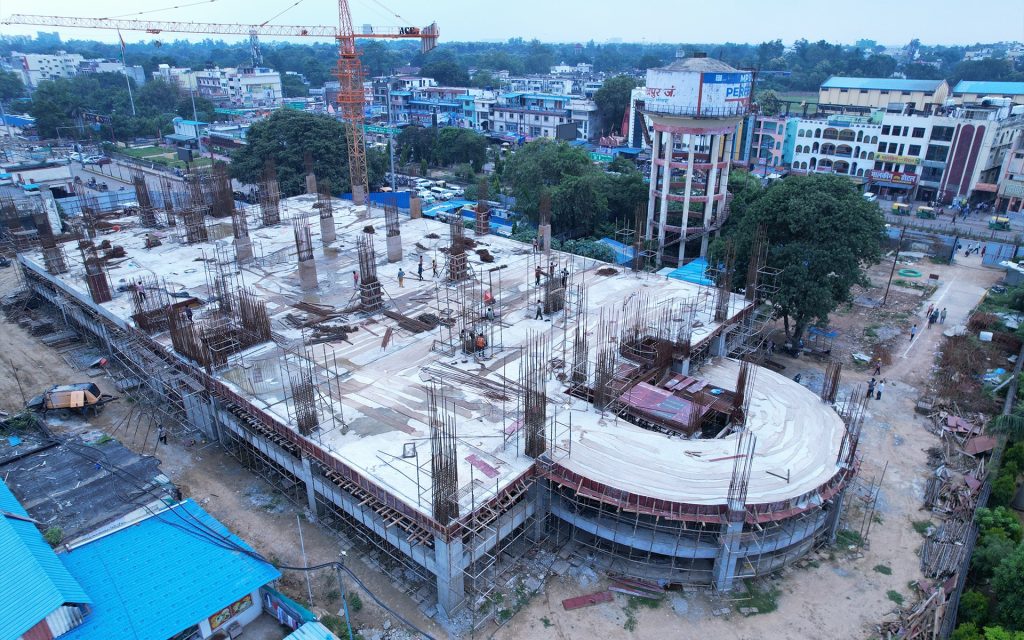
In parallel, firms engaged in core civil construction focused on efficiency gains through digital workflows and off-site fabrication. Parveen Gupta, Director of Ramacivil India, said, “Modern construction is an orchestra, if procurement, factory, and site don’t play in sync you lose time and margin. We have invested in workflows and digital handoffs to reduce on-site wastage and shrink timelines. The returns are already visible in margins and client satisfaction.” This reflects how contractors are retooling operations to align with developer and investor expectations.
Simultaneously, the interiors and finishing segment saw rising demand from commercial, institutional, and mixed-use developments, where flexible, durable and low-maintenance interiors started being valued as part of long-term asset value. Manish Bansal, Director of Window Magic, notes, “Interiors are no longer afterthoughts; they are longevity engines for assets. Clients ask for flexible, serviceable interiors that can adapt across different tenancies and use cases. The focus is on durable materials, low maintenance systems and design that complements energy targets.”
During 2025, major infrastructure sub-segments, roads, rail, urban infrastructure, utilities and renewables, continued to provide the backbone for growth. Public funding contributed roughly 63% of outlays, while private capital, including institutional and corporate capex, recorded among the highest projected CAGRs through 2030.
Simultaneously, new technologies and modular construction methodologies, including prefabrication, BIM-driven planning and supply-chain digitization, gained traction, especially for mid- to large-scale projects, where speed to market, quality assurance and labour efficiency matter most. The emergence of a nascent “Construction 4.0” landscape, combining IoT, automation, factory-based manufacturing and advanced project management, is creating new openings for innovation and differentiation.
Looking ahead to 2026 and beyond, industry experts believe the coming year will be defined by three converging themes: industrialized delivery (modular + panelized + hybrid construction systems), measurable sustainability (embodied-carbon accounting, net-zero operational roadmaps), and productized services (standardized design kits, repeatable interior systems). Firms that combine these with disciplined project financing, transparent governance and integrated service delivery, from civil work to interiors, are expected to capture premium value.
Economic momentum and policy tailwinds remain strong. Government-backed programs such as NIP continue to fuel demand for road, rail, urban transit, power and urban infrastructure. The capex push, combined with rising private investment and improving financing mechanisms (PPP, infrastructure bonds, REITs), positions the industry well for a sustained multi-year growth path.
Moreover, the growing focus on ESG (environmental, social, governance) compliance, from energy and water efficiency to carbon footprint reduction, is reshaping investor and client expectations. Developers and institutional landlords are increasingly seeking facilities that meet green certification standards, cost less to operate over their lifecycle, and command higher long-term value.
In this evolving environment, integrated-service providers such as Ramacivil India and Window Magic are well-positioned to deliver end-to-end solutions, from civil construction to interiors and façade, combining speed, quality, sustainability and design adaptability. Their collaborative, project-management-oriented approach is expected to define how landmark infrastructure and real-estate projects will be delivered in 2026 and beyond.