

 rohit
rohit
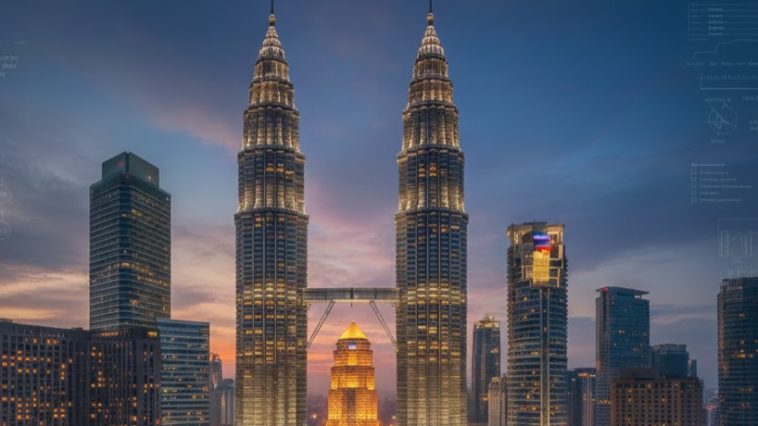
The Petronas Twin Towers in Kuala Lumpur are among the most recognizable skyscrapers in the world. Known for their elegant design, cultural symbolism, and once holding the title of the tallest buildings on the planet, these towers continue to attract millions of visitors from every part of the globe. Their iconic shape, impressive engineering work, and strong connection to Malaysia’s identity make them more than just tall structures. They are modern wonders that reflect Malaysia’s rise on the world stage.
This in depth article explores the complete story behind the Petronas Twin Towers, including their history, architecture, engineering, features, tourism highlights, and long term significance. Whether you are a traveler, architecture lover, student, or someone curious about global landmarks, this guide covers everything you need to know.
1. The Vision Behind the Petronas Twin Towers
During the early 1990s, Malaysia was transforming quickly. The government wanted to showcase the nation’s ambitions and its growing role in the global economy. Kuala Lumpur needed a landmark that would represent progress, confidence, and cultural pride. This vision led to the idea of building the highest pair of towers in the world at that time.
The Malaysian government commissioned Petronas, the national oil company, to lead the project. The goal was clear: create a modern landmark that would place Malaysia among the leading nations in innovation and engineering.
The design had to be bold, futuristic, and deeply rooted in Malaysian culture. This is where a mix of architecture, engineering, and heritage came together to shape what would eventually become the Petronas Twin Towers.
2. Architectural Design Inspired by Culture
The towers were designed by Argentine American architect Cesar Pelli, who wanted the structure to blend modern aesthetics with Malaysia’s cultural identity. The base of the towers is formed by two intersecting squares, creating an eight pointed star. This shape is inspired by Islamic geometric principles, which are widely used in Malaysian art and design.
This cultural connection was important for Malaysia, as the structure was not meant to be just another skyscraper. Instead, it was meant to reflect the nation’s values, traditions, and architectural heritage.
Each tower rises 88 floors, with a sleek stainless steel and glass façade that shines brightly during the day and glows beautifully at night. The exterior features a pattern of repetitive geometric shapes, creating a harmonious blend of tradition and modernity.
3. Engineering The World’s Tallest Twin Towers
Constructing the Petronas Twin Towers was not simple. The project faced several challenges, including unstable soil and the complexity of building two identical towers simultaneously. Thousands of engineers, workers, and architects worked together to bring the vision to life.
Some of the most notable engineering achievements include:
A. Deep Foundation Work
The land beneath the site was not ideal for heavy skyscrapers. Engineers had to create one of the deepest foundations ever used for a building. It required layers of concrete and steel piles to ensure stability.
B. Use of Reinforced Concrete
Unlike most skyscrapers that rely on steel frames, the Petronas Twin Towers were built mainly with high strength reinforced concrete. This material was easier to source locally and provided stronger resistance to wind forces.
C. The Iconic Skybridge
One of the most famous features of the towers is the Skybridge that connects the two structures at levels 41 and 42. It is the highest two story skybridge in the world that links two skyscrapers. It is not rigidly attached to the buildings. Instead, it is designed to slide in and out to adjust to natural building movements.
4. Key Facts About the Petronas Twin Towers
To help you understand the magnitude of this architectural achievement, here is a table summarizing important facts about the towers.
Table: Important Facts About the Petronas Twin Towers
| Sr. No | Feature | Description |
|---|---|---|
| 1. | Location | Kuala Lumpur, Malaysia |
| 2. | Architect | Cesar Pelli |
| 3. | Completion Year | 1998 |
| 4. | Height | 451.9 meters |
| 5. | Floors | 88 in each tower |
| 6. | Material Used | Reinforced concrete, stainless steel, and glass |
| 7. | Key Feature | Two story Skybridge at levels 41 and 42 |
| 8. | Former Title | Tallest buildings in the world from 1998 to 2004 |
| 9. | Record Still Held | Tallest twin towers in the world |
| 10. | Main Purpose | Office space, tourism, cultural symbol |
5. What Makes the Petronas Twin Towers So Special
The Petronas Twin Towers are more than engineering marvels. They stand out for many reasons that set them apart from other iconic skyscrapers.
A. They Represent Malaysia’s Identity
The towers symbolize Malaysia’s growth and vision. Their Islamic inspired design reflects the cultural heritage of the nation while the modern materials represent progress.
B. They Became an Instant Global Icon
Soon after their completion, the towers appeared in international films, travel shows, magazines, and documentaries. They quickly became the face of Kuala Lumpur.
C. Their Height Made History
From 1998 to 2004, they held the title of the tallest buildings on the planet. Even today, they remain the tallest twin towers on the planet.
D. The Skybridge Experience
Visitors often consider the Skybridge one of the most memorable parts of the visit. It gives a floating sensation and offers views of the city from the middle of the sky.
E. Strong Architectural Symbolism
The eight pointed star base is a significant representation of balance, harmony, and cultural connection.
6. Visitor Experience and Tourism
Millions of people visit the Petronas Twin Towers every year. The experience is carefully designed to give tourists a complete view of the towers from inside and outside.
1. Observation Deck
The observation deck on level 86 offers one of the best views in Kuala Lumpur. Guests can see the entire city, nearby mountains, and the surrounding skyline.
2. Skybridge Visit
The Skybridge is one of the main attractions. Visitors can walk between the towers while enjoying views from 170 meters above the ground.
3. Suria KLCC
At the base of the towers is Suria KLCC, one of the largest shopping malls in Malaysia. It offers luxury brands, restaurants, entertainment options, and more.
4. KLCC Park
Surrounding the towers is the KLCC Park, an urban green space with fountains, walking tracks, and a lake. The nighttime fountain show is a popular attraction for visitors and locals.
7. How the Towers Changed Kuala Lumpur
Before the Petronas Twin Towers were built, Kuala Lumpur was already growing, but the city lacked a global identity. The towers helped transform the skyline and became the defining symbol of the region.
They turned Kuala Lumpur into a world class destination for business, tourism, and culture. Major companies opened offices in the towers, new infrastructure was developed around the area, and the city started attracting foreign investment.
The towers also influenced future architectural projects in Malaysia, inspiring other modern buildings with cultural themes.
8. Economic and Cultural Impact
The Petronas Twin Towers contribute significantly to Malaysia’s economy. They generate tourism revenue, house multinational offices, and boost the commercial value of the surrounding area.
Culturally, the towers appear in local artwork, films, media campaigns, and school lessons. They represent national pride and serve as a symbol of unity and progress.
The towers also play a role in international diplomacy. They are often used as a backdrop or venue for key events, welcoming world leaders and global organizations.
FAQs – (Frequently Asked Questions)
Q1. Why were the Petronas Twin Towers built?
They were built to represent Malaysia’s growth, progress, and cultural identity, and to create a global landmark for Kuala Lumpur.
Q2. Are the Petronas Twin Towers still the tallest buildings in the world?
They are no longer the tallest overall, but they remain the tallest twin towers in the world.
Q3. Can visitors go inside the towers?
Yes, visitors can enter the Skybridge and the observation deck with a ticket.
Q4. What is the height of the Petronas Twin Towers?
The towers stand at 451.9 meters.
Q5. Who designed the towers?
The towers were designed by architect Cesar Pelli.
Q6. What materials were used to build them?
They were built with reinforced concrete along with stainless steel and glass for the exterior.
You Might Also Love This:
Conclusion:
The Petronas Twin Towers continue to stand tall as symbols of ambition, culture, and engineering excellence. They represent Malaysia’s journey toward progress while staying rooted in its identity. Whether viewed from the ground, explored through the Skybridge, or admired from the observation deck, the towers offer an unforgettable experience. Their influence on Kuala Lumpur’s skyline, economy, and cultural narrative remains strong even decades after their completion.
The Petronas Twin Towers are not just skyscrapers. They are a story of vision, creativity, and national pride that continues to inspire millions around the world.
