

 rohit
rohit
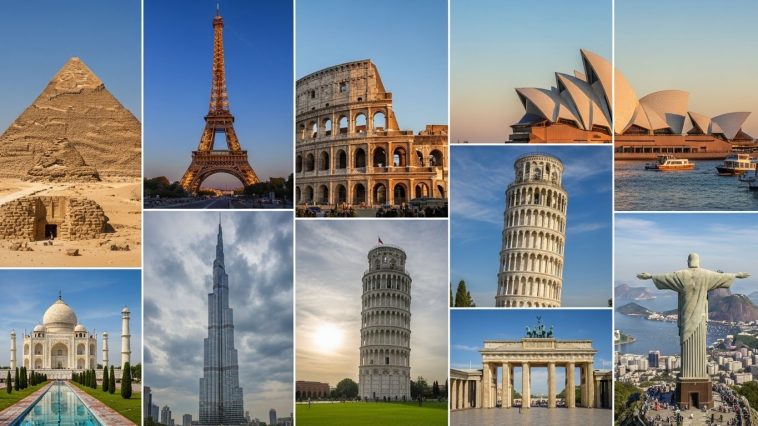
Architecture is one of the most amazing ways humans express creativity. Every great building or structure tells a story about culture, art, engineering, and human ambition. Over the years, architects have challenged themselves to create buildings that become symbols of nations and milestones in history.
This guide looks at the Top 10 Best Architectural Wonders in the World. We will explore why these structures are so famous, what makes them unique, and why millions of people come to see them every year. All facts in this article have been checked to make sure they are accurate.
Even with new technologies like 3D design, green building materials, and advanced engineering, these timeless masterpieces remain sources of inspiration for architects and designers today.
Before diving into the details, here is a quick comparison table to help you see all ten structures at a glance.
Comparison Table: Top 10 Best Architectural Wonders in the World
| Sr. No | Architectural Masterpiece | Location | Year Completed | Architectural Style | Key Material | What Makes It Special |
|---|---|---|---|---|---|---|
| 1 | Burj Khalifa | Dubai, UAE | 2010 | Neo Futurism | Glass, Aluminum, Concrete | Tallest building in the world with a design inspired by the Hymenocallis flower. |
| 2 | Taj Mahal | Agra, India | 1653 | Mughal Architecture | White Marble | Perfect symmetry and unmatched craftsmanship. |
| 3 | Sydney Opera House | Sydney, Australia | 1973 | Expressionist Modernism | Concrete, Ceramic Tiles | Unique shell shaped roof design. |
| 4 | Eiffel Tower | Paris, France | 1889 | Iron Lattice | Wrought Iron | Global icon of engineering excellence. |
| 5 | Colosseum | Rome, Italy | 80 AD | Ancient Roman Engineering | Concrete, Limestone | Largest ancient amphitheatre ever built. |
| 6 | Fallingwater | Pennsylvania, USA | 1939 | Organic Architecture | Concrete, Stone, Glass | Built directly above a waterfall. |
| 7 | Great Wall of China | China | 7th century to 16th century | Ancient Military Architecture | Stone, Brick, Wood | One of the longest construction projects in history. |
| 8 | Sagrada Familia | Barcelona, Spain | Under construction | Catalan Modernism | Stone, Concrete | Gaudi masterpiece filled with symbolic details. |
| 9 | Louvre Pyramid | Paris, France | 1989 | Modern Architecture | Glass, Metal | Perfect blend of modern and historic architecture. |
| 10 | Petronas Towers | Kuala Lumpur, Malaysia | 1998 | Postmodern Architecture | Steel, Glass | Tallest twin towers in the world. |
1. Burj Khalifa, Dubai
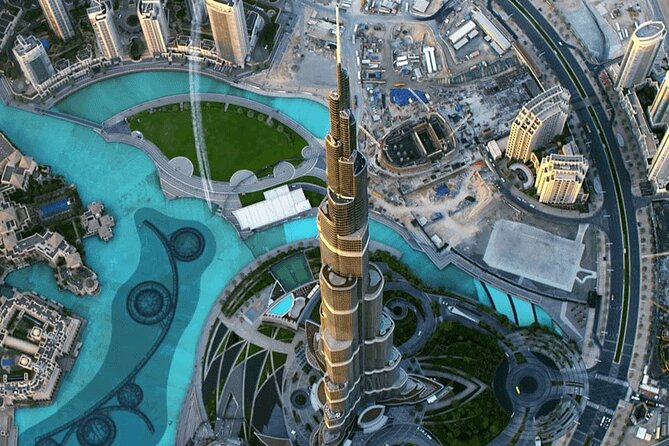
The Burj Khalifa is not only the tallest building in the world at 828 meters but also an engineering marvel that sets new standards for skyscrapers. Designed by Adrian Smith, the tower uses a Y-shaped floor plan for stability and to provide spectacular views of the city.
Its exterior features over 26,000 reflective glass panels, designed to handle Dubai’s intense heat. Inside, it houses luxury residences, offices, restaurants, and the Armani Hotel. The observation decks provide panoramic views that attract visitors from around the globe.
Advanced engineering features include wind-resistant design, high-speed elevators, and energy-efficient systems. The Burj Khalifa shows what is possible when architecture and engineering push the boundaries of imagination.
2. Taj Mahal, India
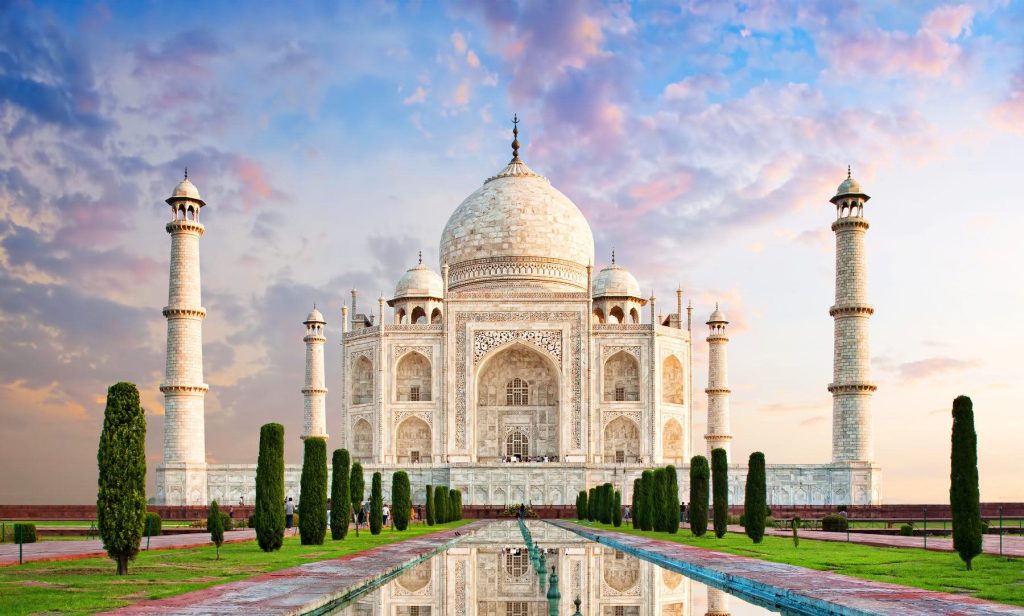
Taj Mahal is a famous symbol of love and beauty. timeless symbol of love and beauty. Built by Emperor Shah Jahan in memory of his wife Mumtaz Mahal, it took over twenty years to complete with the help of thousands of skilled artisans.
The white marble façade glows in the sunlight, and intricate floral carvings and precious stone inlays add to its elegance. Its perfect symmetry is mirrored in the surrounding Charbagh gardens.
The Taj Mahal also reflects Mughal engineering expertise, with a complex water system and underground chambers. It is a UNESCO World Heritage Site and continues to inspire architects worldwide.
3. Sydney Opera House, Australia
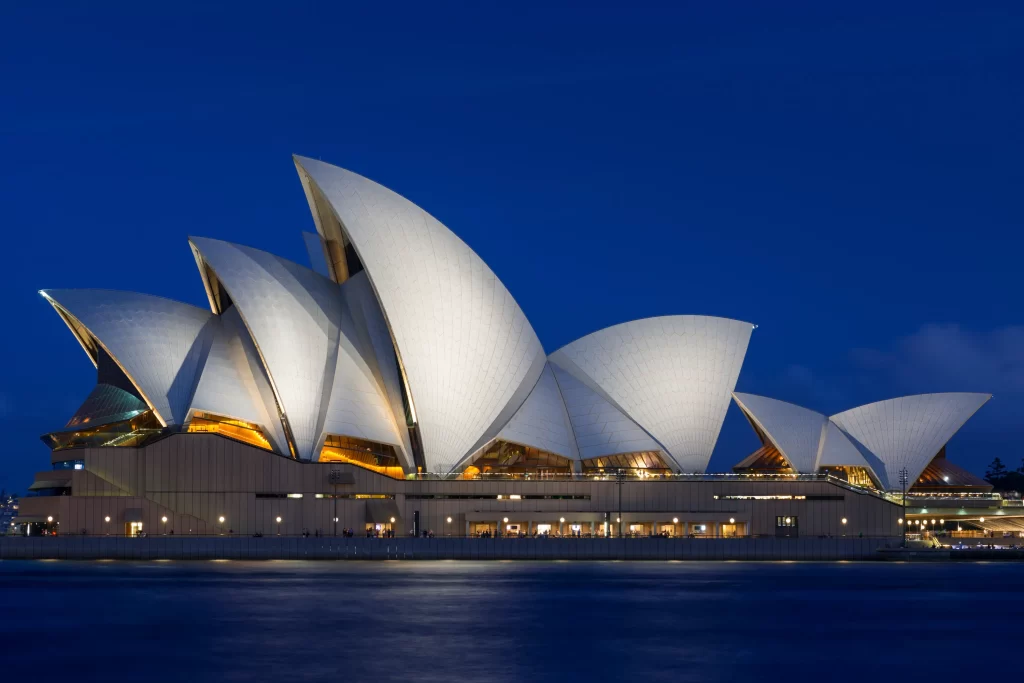
The Sydney Opera House is a masterpiece of 20th-century design. Danish architect Jørn Utzon created its famous shell-shaped roofs, which required innovative engineering solutions at the time.
The roof shells are made of precast concrete covered in more than one million ceramic tiles. The building hosts multiple theatres and concert halls, making it a central hub for performing arts in Australia.
Its location on Bennelong Point, surrounded by water, gives it a dramatic silhouette, making it one of the most photographed buildings in the world. The Opera House revolutionized how architects think about sculptural forms in large-scale buildings.
4. Eiffel Tower, France
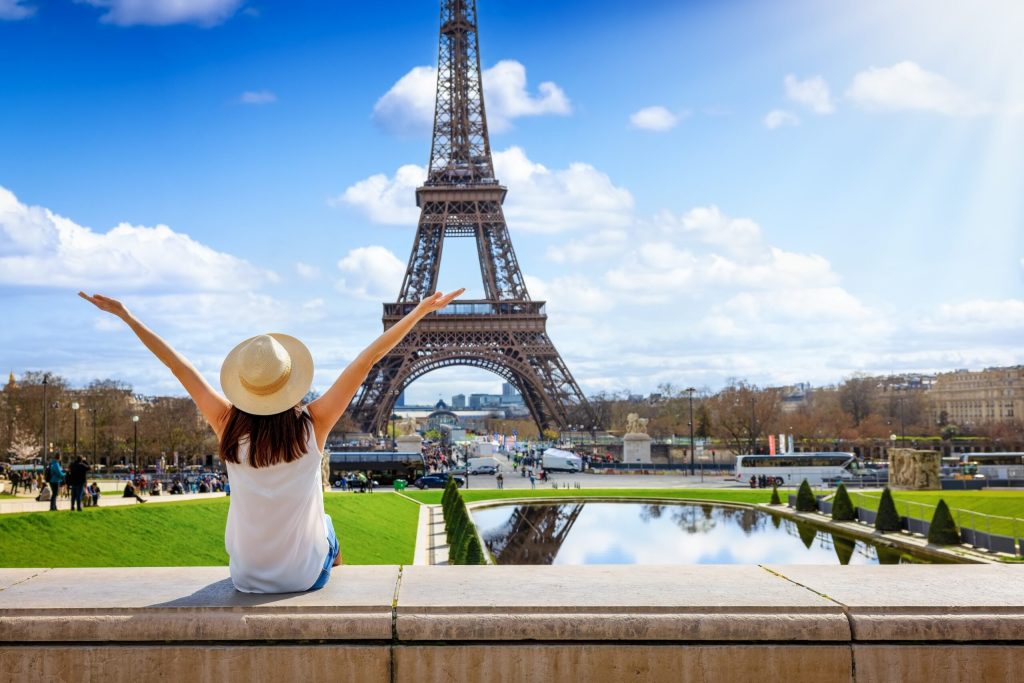
The Eiffel Tower, built for the 1889 World’s Fair, stands 330 meters tall and is made of 18,038 iron pieces. Designed by Gustave Eiffel, it was intended as a temporary structure but became an enduring symbol of Paris.
The tower’s lattice iron structure makes it lightweight yet strong, able to withstand wind and weather. It has served multiple purposes, including as a radio transmission tower. Today, it welcomes millions of visitors annually, offering panoramic views of Paris from its observation decks.
Its combination of engineering excellence and aesthetic appeal makes it one of the most famous landmarks in the world.
5. Colosseum, Italy
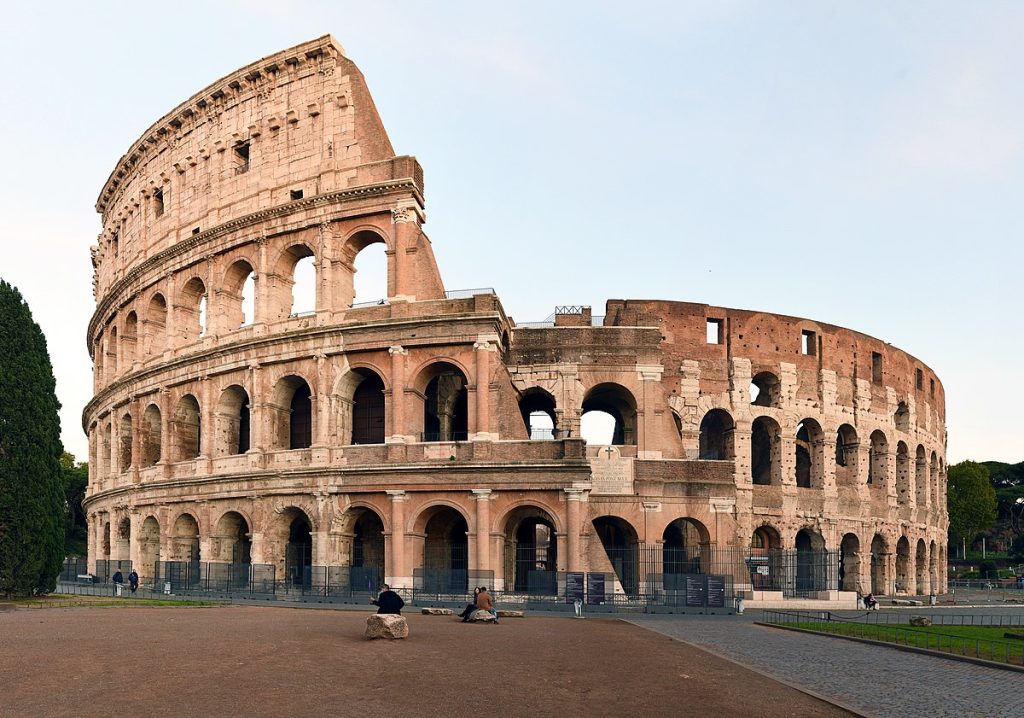
The Colosseum in Rome is the largest ancient amphitheatre ever built, seating approximately 50,000 spectators. Construction began under Emperor Vespasian in 72 AD and finished under his son Titus in 80 AD.
It featured elevators, trapdoors, and a network of underground tunnels for gladiators and animals. A retractable awning protected spectators from the sun, demonstrating the Romans’ advanced engineering skills.
The Colosseum is an enduring symbol of Roman culture and continues to influence the design of modern stadiums.
6. Fallingwater, USA
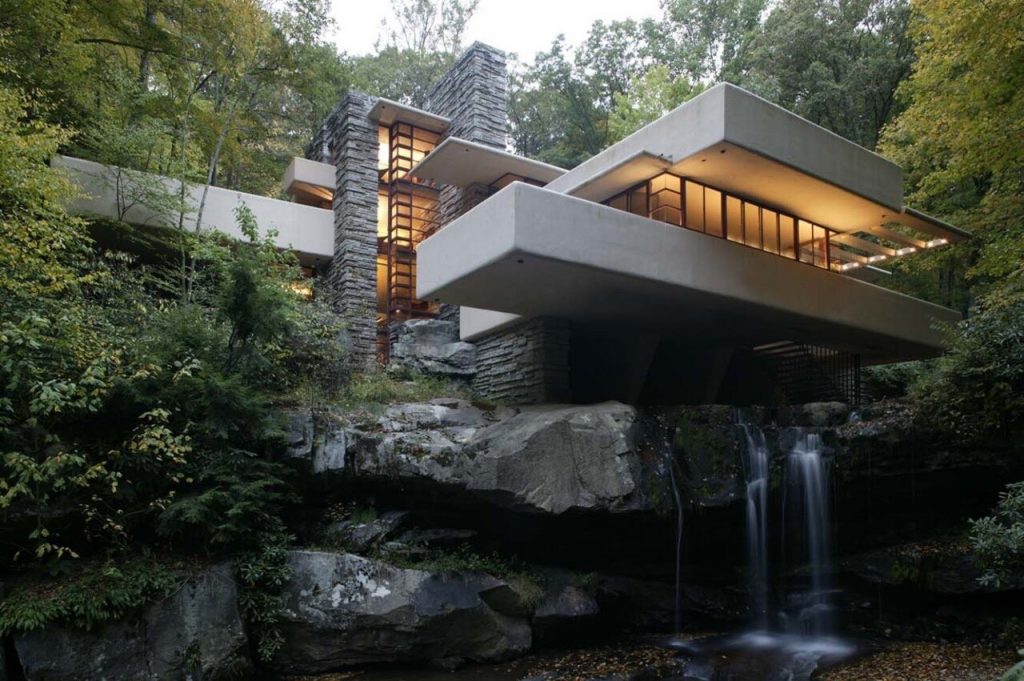
Fallingwater, created by Frank Lloyd Wright, is a perfect example of organic architecture. Built over a waterfall, the house blends seamlessly with the forest surroundings.
Cantilevered terraces extend over the water, while large windows bring the outdoors inside. Wright carefully selected materials from the site itself, including stone from nearby quarries.
Fallingwater demonstrates how buildings can coexist with nature, inspiring architects to create environmentally integrated designs.
7. Great Wall of China
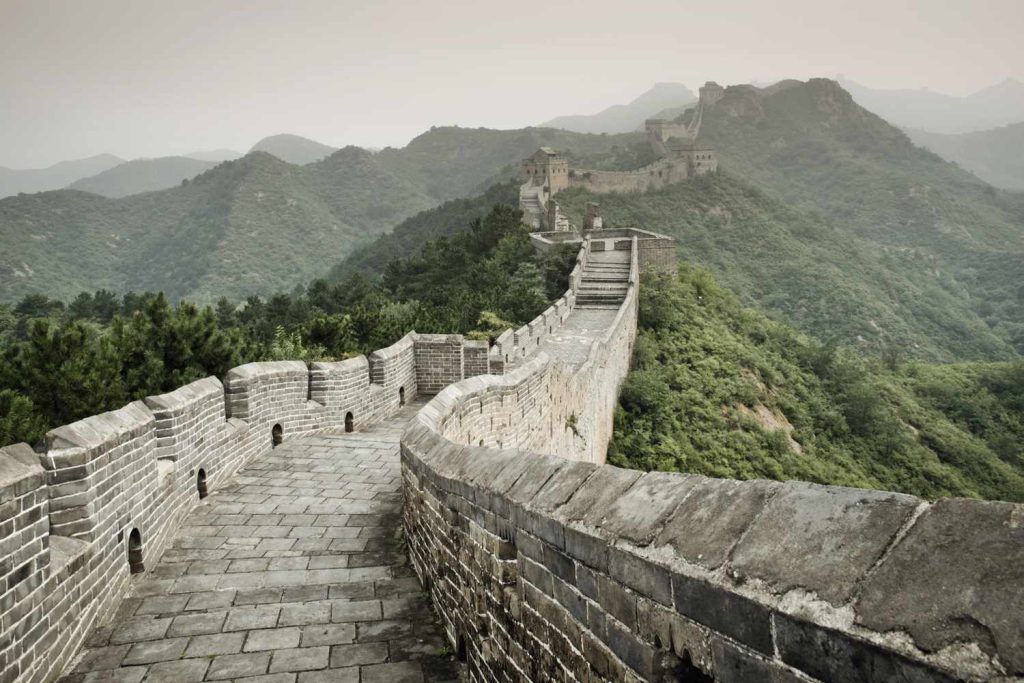
The Great Wall stretches thousands of kilometers across mountains, deserts, and plains. Built over several dynasties, it was meant to protect China from invasions.
The wall includes watchtowers, fortresses, and signaling systems. Its construction required millions of workers, and it used materials such as stone, brick, and tamped earth.
Today, the Great Wall is a UNESCO World Heritage Site and a global symbol of endurance, scale, and human ingenuity.
8. Sagrada Familia, Spain
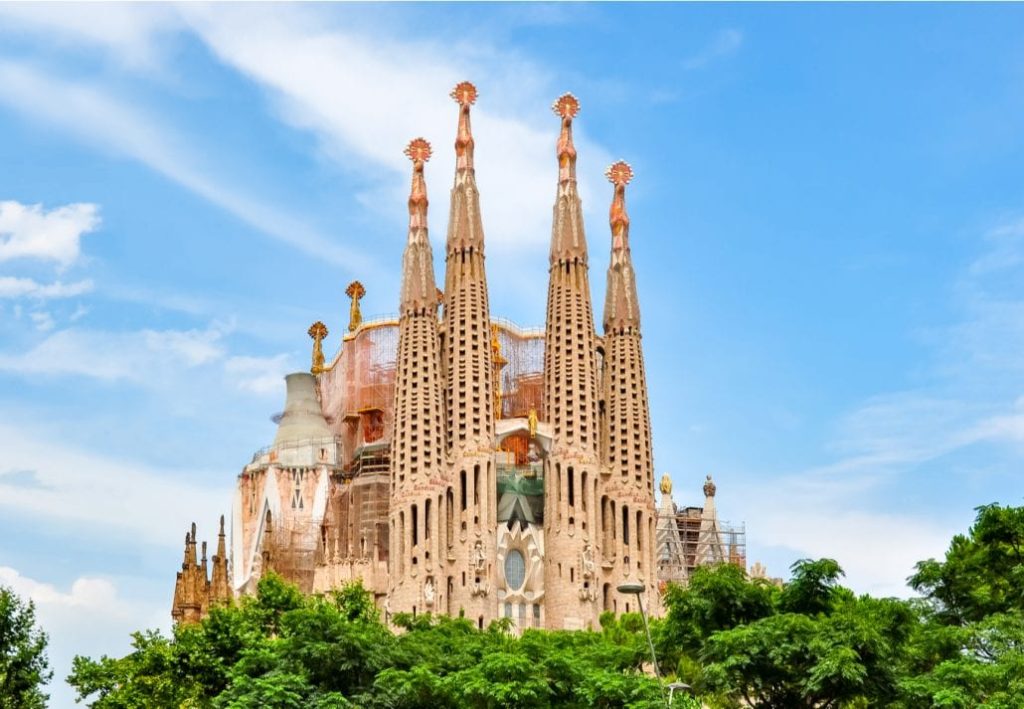
The Sagrada Familia is Antoni Gaudi’s most famous work, combining religion, nature, and geometry. Construction started in 1882 and is still ongoing today.
Each façade tells a story, and the interior is filled with columns shaped like trees. The play of light from stained glass windows creates a magical atmosphere inside.
Gaudi’s vision is so complex that the building requires traditional craftsmanship alongside modern techniques. Once finished, it will be one of the tallest churches in Europe.
9. Louvre Pyramid, France
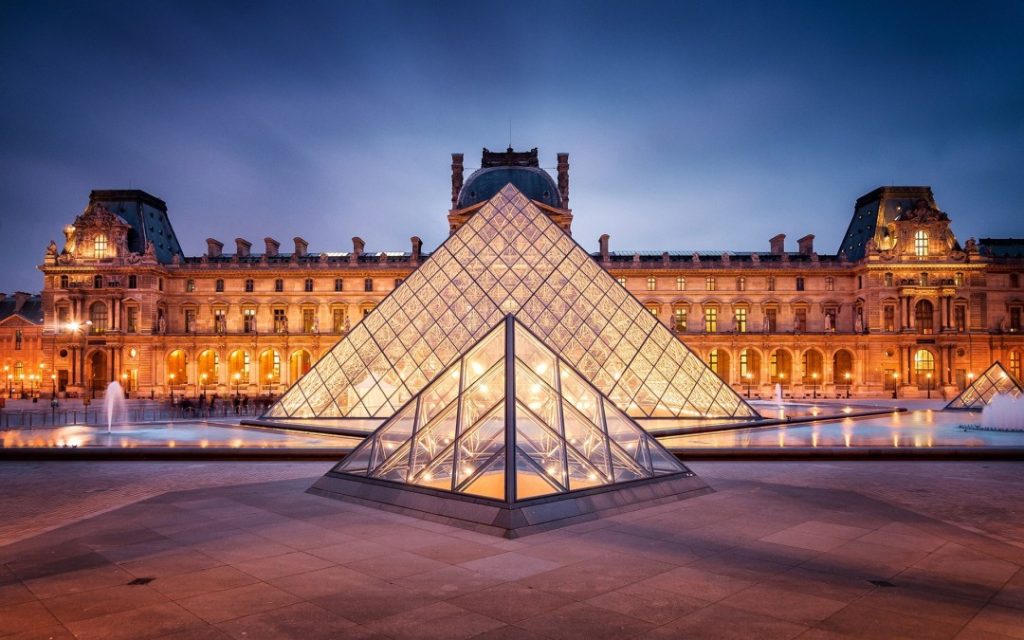
The Louvre Pyramid is a modern masterpiece designed by I. M. Pei. It serves as the main entrance to the Louvre Museum, blending modern glass and metal with historic architecture.
The pyramid allows sunlight to illuminate the underground lobby, creating a bright and welcoming space. Its transparent design contrasts with the classical museum buildings, symbolizing the meeting of old and new.
It has become an iconic architectural landmark and one of the most photographed structures in Paris.
10. Petronas Towers, Malaysia
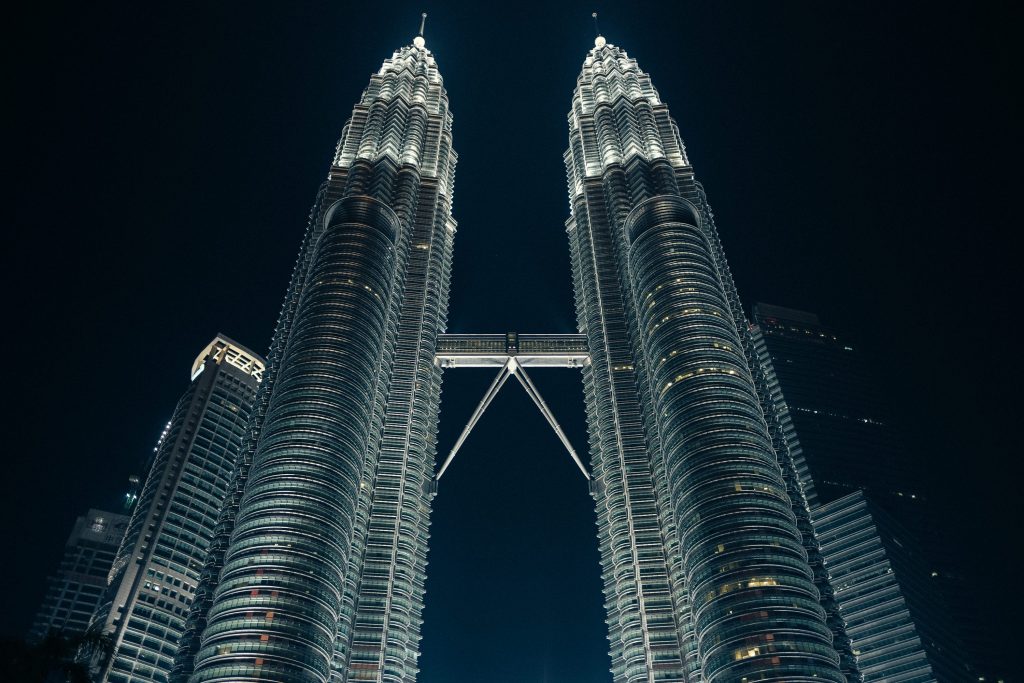
The Petronas Towers in Kuala Lumpur are the tallest twin towers in the world at 452 meters. Designed by Cesar Pelli, the towers feature Islamic-inspired geometric patterns.
A skybridge connects the towers at the 41st and 42nd floors, providing breathtaking city views. The towers’ steel and glass façade reflects light beautifully, making them a prominent feature of Kuala Lumpur’s skyline.
The towers represent Malaysia’s growth and technological advancement while combining cultural identity with modern design.
Frequently Asked Questions – (FAQ’s)
Q1. Which architectural structure is considered the greatest in the world?
Many experts say the Burj Khalifa is the most advanced modern structure, while the Taj Mahal is the most beautiful.
Q2. Which is the oldest structure in this list?
The Colosseum and parts of the Great Wall of China are the oldest, built over two thousand years ago.
Q3. Why is the Sagrada Familia still under construction?
Its design is very complex, and construction has been slow due to funding and the handcrafted details of Gaudi’s plans.
Q4. Which architectural wonder receives the most visitors?
The Eiffel Tower and the Louvre Pyramid attract the highest number of tourists.
Q5. Which building is the best example of modern engineering?
The Burj Khalifa shows advanced engineering with its extreme height, wind resistance, and materials.
Q6. Which architecture is most influenced by nature?
Fallingwater is the best example, as it blends perfectly with its forest and waterfall surroundings.
Q7. Are any of these structures part of the Seven Wonders of the World?
The Taj Mahal and the Great Wall of China are included in the New Seven Wonders of the World.
You Might Find This Interesting:
Conclusion:
These ten architectural wonders show how humans combine creativity, engineering, and culture to make extraordinary structures. From ancient landmarks like the Colosseum to modern icons like the Burj Khalifa, each building has a story to tell.
They inspire architects, travelers, and dreamers, proving that architecture is more than just buildings—it is a way to shape history and imagination. Every structure continues to influence design and spark curiosity for generations to come.
